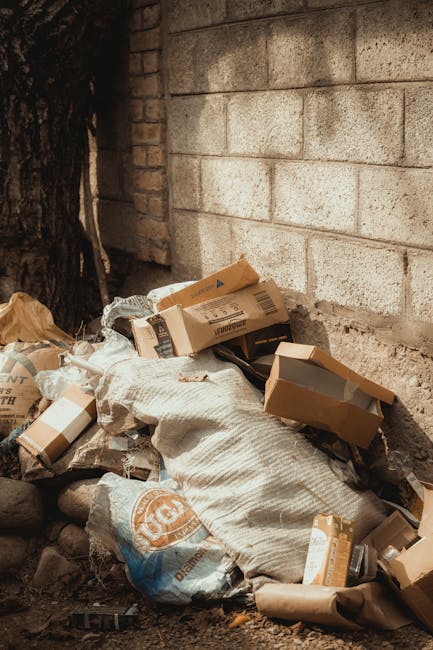
Wood Green rubbish removal guide for N22 homes
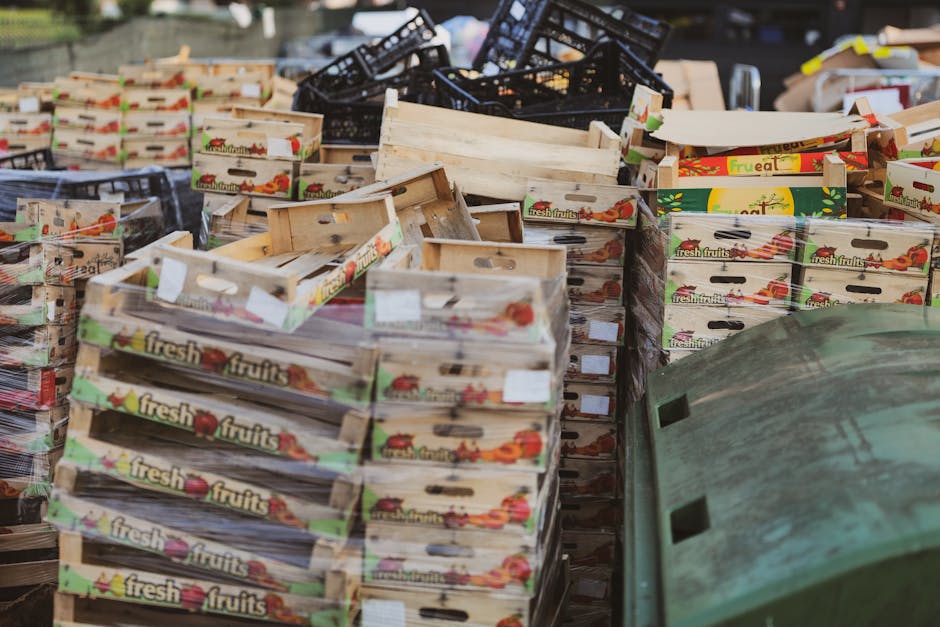
If you live in Wood Green and the rubbish is starting to take over the hallway, the garden, the spare room, or that one corner of the driveway you keep pretending not to notice, you are in the right place. This Wood Green rubbish removal guide for N22 homes breaks down the practical options, the likely trade-offs, and the little local details that matter when you want waste gone without hassle.
Whether you are clearing out a flat, dealing with builders' rubble, replacing a sofa, or sorting a garden after a long-overdue tidy-up, the right approach saves time, stress, and usually money too. Let's face it, rubbish removal sounds simple until you are standing there with a cracked wardrobe, a pile of old tiles, and no clue what can legally go where. This guide aims to make that bit easier.
Why Wood Green rubbish removal guide for N22 homes Matters
Wood Green has the kind of housing mix that makes waste management a bit of a puzzle. You have terraced homes, flats, maisonettes, small front gardens, narrow access paths, communal parking, and the occasional awkward staircase that seems designed to test everyone's patience. In that setting, rubbish removal is not just about shifting clutter. It is about choosing a method that works with your space, your timing, and your budget.
For N22 homes, the big issue is often access. A driveway might be shared. A skip might need a permit. A van might fit better than a full container. Or you may only have a few bulky items and no appetite for weeks of disruption. The wrong choice can leave you with unnecessary costs or a pile of waste sitting around longer than it should. Nobody wants that smell of damp cardboard hanging about for days. Not ideal.
This matters even more if the waste is mixed. A bit of garden cuttings, some old plasterboard, a broken fridge, and a pile of bagged household junk all need different handling. If you get the mix wrong, you can run into delays, extra charges, or refused collections. A thoughtful plan keeps things moving and helps you stay in control.
If you are trying to decide between a collection service and a skip, it is worth looking at the broader options available on rubbish removal services, domestic skip hire, and man and van collection. Each works best in a different scenario, and in Wood Green, the details really do matter.
How Wood Green rubbish removal guide for N22 homes Works
Most rubbish removal in Wood Green follows a fairly straightforward process, though the best method depends on volume, waste type, and access. In plain English, you usually start by identifying what you need to remove, then choose between a one-off collection, a skip, or a more specialist disposal service.
For smaller or mixed loads, a collection-based service can be the quickest route. For example, if you are clearing a loft, garden shed, or a few rooms before moving house, a direct collection may be simpler than organising a container outside. For larger refurbishments or ongoing projects, a skip or builders' waste option can be more practical. If you are not sure which route fits, the service pages for skip hire and builders waste removal are useful reference points.
Here is the basic logic most homeowners follow:
- Separate the rubbish into broad categories: general household waste, bulky items, garden waste, DIY debris, and anything potentially hazardous.
- Check whether the waste can go in a skip or whether it needs a dedicated service.
- Think about access, parking, and whether a permit may be needed if the container goes on the road.
- Choose a collection time that fits your routine, especially if you are trying to avoid disrupting neighbours or blocking entryways.
- Load or present the waste safely, then make sure the area is left tidy and clear.
That sounds simple, and usually it is. But the devil is in the details. A broken washing machine, for instance, is not the same as a bag of clothes or old books. For appliance items, a specialist route like fridge and appliance removal can avoid headaches and reduce the risk of handling something too heavy or awkward.
One useful tip: if your job is time-sensitive, consider whether same day skip hire or wait and load skip hire would save you a second visit or an extra day of clutter. In busy London streets, speed can be the difference between a calm afternoon and a small domestic chaos, really.
Key Benefits and Practical Advantages
A good rubbish removal plan does more than clear space. It helps you avoid mess, reduce risk, and keep the project moving. For N22 homes, the practical advantages are often more valuable than the headline price alone.
- Less disruption at home: Faster clearances mean less tripping over bags and boxes in hallways and shared spaces.
- Better use of limited space: Many Wood Green properties do not have room for waste to sit around for long. A tidy turnaround makes a huge difference.
- Flexible options: From a single bulky item to a full renovation load, there are different service styles for different jobs.
- Safer handling: Heavy, sharp, or awkward waste is easier to manage with the right crew and equipment.
- Cleaner recycling outcomes: Reputable operators sort and route materials more responsibly, which matters if you care about landfill reduction.
There is also a mental benefit. A clear space feels lighter. You hear it in the house, even. Less shuffling around piles, fewer "we should sort that" conversations, fewer things quietly breeding dust in the corner. It is the kind of improvement you notice on day one and keep noticing a week later.
If you want a broader sense of how waste is managed after collection, the page on recycling and sustainability is worth a look. It helps connect the dots between getting rid of rubbish and disposing of it responsibly.
Who This Is For and When It Makes Sense
This guide is for anyone in Wood Green trying to deal with waste in a practical, legal, and low-fuss way. That includes homeowners, tenants, landlords, and people managing small refurbishments or clear-outs.
It usually makes sense to arrange rubbish removal when you are facing one of these situations:
- End-of-tenancy clear-outs in a flat or maisonette
- Garage, loft, or shed decluttering
- Garden clearances after pruning, landscaping, or storm damage
- DIY and renovation debris such as wood, tiles, old fittings, and packaging
- Bulky item disposal, including mattresses, sofas, and appliances
- House clearances after a move, inheritance, or long-term storage build-up
If the job involves more than household clutter, specialist services may fit better. For example, a builder replacing a kitchen may need construction waste disposal, while someone emptying a cluttered loft could benefit from garage and loft clearance or even house clearance for a larger project.
And if you are dealing with sensitive paperwork, old filing cabinets, or business records from a home office, do not just bin everything together. A service such as confidential shredding is a far safer choice. Simple, but people forget that bit all the time.
Step-by-Step Guidance
Here is a practical way to handle rubbish removal in Wood Green without making it harder than it needs to be.
1. Identify the waste type
Start by grouping your rubbish. General household clutter, green waste, builders' rubble, appliances, and hazardous items should not all be treated the same. A mattress is not the same as broken concrete. A paint tin is not the same as old chairs. Obvious, yes, but this is where confusion begins.
2. Measure the volume honestly
People often underestimate how much they have. A single room full of clutter can become a surprising amount of waste once it is broken down and bagged. Take a rough look at how much floor space it occupies and whether it stacks neatly. If you are comparing options, the page on skip sizes and prices can help you think in practical terms.
3. Check access and parking
In Wood Green, this step matters more than most people expect. Can a van stop nearby? Is the waste upstairs? Is the front of the property shared? Will a container need to sit on the road? If the answer is yes to the last one, a permit may be necessary, so the pages on skip hire permits and skip permits are relevant.
4. Choose the right disposal method
If the waste is mixed and bulky, a collection service may be simplest. If it is mostly building debris, skip hire can be more efficient. For awkward access or a quick turnaround, wait and load skip hire can work well because the waste is loaded and taken away without leaving a container behind.
5. Separate anything restricted
Some items need specialist handling. Fridges, freezers, and certain appliances should be separated. Likewise, anything hazardous needs particular care. If you are unsure, read the guidance on hazardous waste disposal before you put things aside in the wrong pile.
6. Book and prepare the space
Make the route clear, move parked cars if needed, and keep doors or gates accessible. If you are using a collection crew, place items where they can be collected safely. A good five-minute tidy before arrival can save twenty minutes of awkward lifting and back-and-forth, and honestly, everyone is happier.
Expert Tips for Better Results
There are a few things that make rubbish removal much smoother, especially in tighter residential streets.
Tip 1: Sort before you book. If you know the waste is mostly household clutter, your options are broader. If it includes soil, rubble, or plasterboard, you should narrow the choices early so nothing gets rejected on the day.
Tip 2: Keep heavy items together. Put bricks, tiles, and broken timber in one area rather than spreading them across the property. That makes loading faster and safer.
Tip 3: Think about weather. A wet London afternoon can turn cardboard, paper, and soft furnishings into a soggy nuisance. If your clear-out is weather-sensitive, try to avoid leaving items outside too early.
Tip 4: Ask about loading limits. Different methods suit different waste mixes. A quick check before ordering is better than finding out too late that your load is too dense or too mixed for the chosen service.
Tip 5: Use specialist services where they fit. A sofa, a fridge, and a pile of broken plasterboard all need different treatment. The dedicated pages for mattress and sofa disposal and fridge and appliance removal are useful if you are dealing with bulky home items.
One small but important habit: keep a running list while you sort. You will forget what went into the spare room otherwise. Happens to all of us.
Common Mistakes to Avoid
The biggest mistakes are rarely dramatic. They are usually small planning errors that create avoidable delays.
- Underestimating the volume: What looked like a few bags can become a full load once sorted properly.
- Mixing restricted waste with general rubbish: This can cause the load to be refused or redirected.
- Ignoring access issues: A narrow street or blocked drive can turn a simple collection into a logistical headache.
- Forgetting permits: If the waste container sits on a public road, you may need permission first.
- Choosing by price alone: Cheap is not always cheap if the service does not suit your waste type.
- Leaving everything to the last minute: This is how people end up paying for express options when they could have planned ahead.
A related mistake is assuming every item can go into the same container. It cannot. Before you book, it is smart to check what can go in a skip. That page is especially handy if you are dealing with mixed DIY or household waste and want to avoid awkward surprises.
Tools, Resources and Recommendations
You do not need specialist equipment for most home clear-outs, but a few basic tools make the job safer and less frustrating.
- Heavy-duty rubble sacks: Useful for smaller mixed waste and garden debris.
- Work gloves: A simple must-have for sharp edges, splinters, and dusty items.
- Mask and dust protection: Helpful for lofts, garages, and renovation debris.
- Clear labels or marker pens: Great for separating donation, recycling, and disposal piles.
- Measuring tape: Handy if you are trying to judge whether a skip size or access route will work.
On the service side, there are a few useful routes to consider depending on the job. Man and van works well for smaller collections and awkward access. Grab hire services can be a good fit for loose, heavy waste where loading speed matters. For larger clearance jobs, a planned site clearance or construction waste clearance route may be more efficient.
It is also sensible to understand payment and booking basics before you commit. The pages on payment and security and pricing and quotes are helpful if you want clarity before arranging anything.
Law, Compliance, Standards, or Best Practice
You do not need to become a legal expert to arrange rubbish removal, but you should follow sensible UK waste best practice. The core principle is straightforward: waste should be handled by a responsible carrier, kept separate where needed, and disposed of appropriately. If you are a homeowner, you still have a duty to be careful about who takes your waste and how it is managed.
There are a few practical points worth remembering:
- Do not leave waste where it can create a trip hazard, block a footpath, or obstruct neighbours.
- Keep hazardous materials separate and ask before including anything unusual.
- Use proper services for appliances, mattresses, and confidential material rather than assuming all waste is the same.
- If a skip or container needs road placement, check permit requirements in advance.
- Choose providers that can explain how they sort, recycle, and transfer waste responsibly.
For homeowners, best practice often comes down to two things: do not guess, and do not dump. If you are unsure about an item, ask first. That one pause can save a lot of trouble later. If you want to understand the company's wider approach to responsible working, the pages on health and safety policy, insurance and safety, and about us provide useful context.
Options, Methods, or Comparison Table
Here is a simple comparison of the main rubbish removal options for N22 homes. The right choice depends on access, waste type, and how hands-on you want to be.
| Option | Best for | Strengths | Things to watch |
|---|---|---|---|
| Rubbish removal collection | Household clutter, bulky items, mixed small loads | Quick, flexible, minimal disruption | May be less efficient for very large volumes |
| Skip hire | DIY waste, garden projects, larger clear-outs | Convenient for ongoing loading, good for bigger loads | May need a permit if placed on the road |
| Wait and load | Properties with tight access or no parking for a skip | No container left outside, fast turnaround | Requires you to be ready when the crew arrives |
| Grab hire | Heavy loose waste, soil, rubble, larger outdoor jobs | Good lifting capacity, less manual labour for you | Needs space for vehicle access |
| Man and van | Smaller home clearances and varied items | Versatile and practical for mixed loads | Can be less suitable for very heavy builder's waste |
If you are comparing methods, start with access, then waste type, then timing. That order helps you avoid overbuying capacity you do not need. If you are unsure, the broader skip hire and rubbish removal pages can help you see which route suits the job best.
Case Study or Real-World Example
A fairly typical Wood Green scenario goes like this. A family in an N22 terrace decides to clear the loft before decorating. The space has old suitcases, broken shelves, kids' outgrown toys, a rusty fan, some cardboard, and a few dusty boxes of paperwork that should probably have been dealt with years ago. Classic job. Nothing exotic, just a lot of stuff.
At first glance, they think a skip is the obvious answer. But access is narrow, the street parking is tight, and there is a shared drive behind the house. After checking the options, they choose a collection-based approach for the household items and separate the paperwork for confidential disposal. The heavier loft debris goes with the rest, while the old appliance in the kitchen is handled separately through a specialist service.
The result is simpler than they expected. No skip permit worries. No container blocking the pavement. No awkward half-full skip sitting there longer than necessary. The house feels lighter almost immediately, and the decorating starts on time instead of drifting into next week. That sort of calm, practical win is exactly what good rubbish removal should deliver.
If their clear-out had involved more structural debris, they might have been better served by builders skip hire or a more focused builders waste removal approach. Different job, different tool. Simple as that.
Practical Checklist
Use this checklist before booking rubbish removal in Wood Green:
- Sort waste into clear categories
- Separate hazardous items, appliances, and confidential material
- Estimate the volume honestly, not optimistically
- Check whether access is easy for a van, skip, or lifting crew
- Confirm whether roadside placement would need a permit
- Decide whether you need same-day, scheduled, or wait-and-load collection
- Keep pathways and entrances clear on the day
- Ask what can and cannot be included before booking
- Have payment and timing details ready
- Leave the space tidy and safe once the waste is removed
If you are still juggling options, it can help to think in terms of "what will be easiest in my street, with my waste, on my schedule?" That question usually cuts through the confusion pretty quickly.
Conclusion
Wood Green rubbish removal does not need to be complicated, but it does need a bit of local thinking. N22 homes often have access constraints, mixed waste streams, and enough day-to-day pressure without adding avoidable waste problems on top. The right choice is the one that fits your space, your waste, and your timing without creating a bigger mess behind the scenes.
Whether you need a one-off collection, a skip for ongoing work, help with bulky items, or something more specialist, a clear plan always pays off. Sort first, check access, separate the awkward items, and choose the method that keeps things simple. That is really the heart of it.
If you are ready to clear the clutter and want a straightforward next step, explore the most suitable service, compare the practical options, and book with confidence.
Get a free quote today and see how much you can save.
And once the last bag is gone, it is a surprisingly good feeling. A quiet room. A clear path. A bit more breathing space. Sometimes that is all a home needs.
Frequently Asked Questions
What is the best rubbish removal option for a small Wood Green home?
For smaller homes and flats, a collection-based service or man and van option is often the most practical because it avoids leaving a skip outside and usually fits tighter access better.
Do I need a skip permit in Wood Green?
You may need a permit if the skip is placed on a public road or pavement. If it stays entirely on private land, a permit is often not needed, but it is wise to check before booking.
Can I put household rubbish and DIY waste in the same load?
Sometimes, yes, but not always. Mixed loads are common, yet certain materials need separate handling. It is best to check what can go in a skip or collection before you start loading.
What happens to the rubbish after collection?
Reputable operators sort materials for recycling, recovery, or responsible disposal where possible. The exact process depends on the waste type, but landfill should not be the default assumption.
Is same-day rubbish removal available in N22?
It can be, depending on schedule and availability. If the job is urgent, same-day skip hire or a quick collection service may be the fastest route.
What should I do with old fridges, freezers, or washing machines?
Appliances should be handled separately rather than dumped with general waste. Dedicated appliance removal is safer and usually more efficient than trying to include them in a mixed clear-out.
How do I know whether I need a skip or a van collection?
Use a skip if you have ongoing loading, heavier DIY waste, or a larger volume. Use a van collection if access is tight, the load is smaller, or you want the rubbish gone quickly without a container sitting outside.
Can I include garden waste with general rubbish?
Sometimes this is possible, but garden waste is often better handled separately because it may be processed differently. If you have a lot of green waste, a dedicated garden service can make more sense.
Are mattresses and sofas accepted?
They often are, but bulky furniture is easier and cleaner to handle through a service set up for it. Dedicated mattress and sofa disposal can avoid awkward loading and reduce the chance of damage.
What if I have confidential documents or paperwork?
Do not mix them with general rubbish. Confidential shredding is the safer route for personal or business documents that should not be exposed or binned casually.
How can I keep costs under control?
Sort your waste before booking, estimate the volume accurately, and choose the most suitable method for your access and load size. Last-minute changes, mixed waste, and poor planning are what usually push costs up.
What is the quickest way to get started?
Make a list of what you need to remove, check access to the property, and compare the most suitable options such as rubbish removal, skip hire, or wait and load. That gives you a clear decision fast, without the usual guesswork.