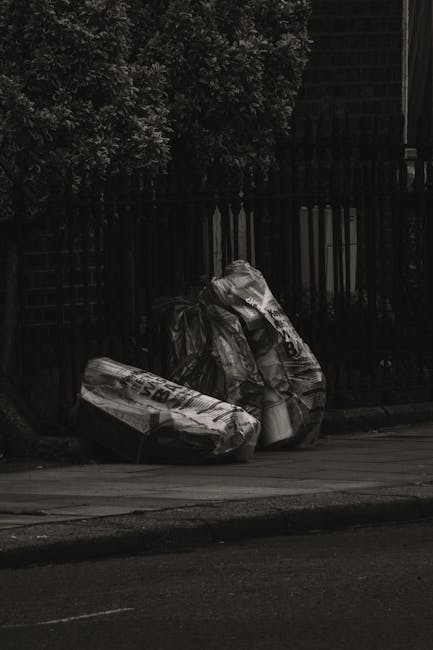
Tottenham High Street Bulky Rubbish Removal Tips
If you are dealing with a sofa that will not fit through the door, a broken wardrobe, an old fridge, or a small mountain of packaging after a refit, you already know the problem: bulky waste is awkward, time-sensitive, and never quite as simple as "just put it out the front." These Tottenham high street bulky rubbish removal tips are designed to help you clear large items efficiently, avoid common mistakes, and choose the right disposal method for a busy North London setting.
High street properties bring their own headaches. Tight access, limited parking, shared entrances, loading restrictions, and the general pace of the street can turn a straightforward clearance into a bit of a logistical puzzle. The good news? With the right plan, bulky rubbish removal can be calm, tidy, and much less expensive than people expect. Below, you will find practical guidance, comparisons, compliance notes, and the sort of detail that helps you make a sensible decision first time.
Why Tottenham High Street Bulky Rubbish Removal Tips Matters
Bulky rubbish is not the same as general household bag waste. It is larger, heavier, often harder to lift safely, and more likely to block hallways, pavements, or shared bin areas if you leave it too long. On a high street, that becomes more than a nuisance. It can affect neighbours, customers, staff, and access for deliveries or emergency services.
There is also a practical cost to getting it wrong. A rushed clearance can lead to damage to walls or stairwells, an unsuitable vehicle, missed collection slots, or items being split across multiple trips. And let's be honest, nobody wants to drag a bulky sofa down three flights of stairs only to discover it cannot legally be left outside where you planned. That kind of mistake stings.
Good bulky waste planning matters because it helps you:
- clear space quickly without clutter lingering for days
- reduce the risk of injury when moving large items
- avoid blocking pavements, shared entrances, or loading bays
- choose a method that suits the type of waste you actually have
- keep the job neat, tidy, and less stressful
If you are comparing solutions, it can also help to understand the difference between rubbish removal, a skip, and a vehicle-based service such as man and van. Each has a place. The trick is matching the method to the site conditions, not just the item list.
How Tottenham High Street Bulky Rubbish Removal Tips Works
At its simplest, bulky rubbish removal means collecting large unwanted items and moving them to a licensed disposal or recycling route. On Tottenham High Road and the surrounding high street environment, the process often needs a little more thought because access is tight and timing matters.
A well-run bulky clearance usually follows this pattern:
- Identify the waste type and size.
- Separate reusable, recyclable, and restricted items.
- Measure access points, stairways, kerbs, and parking space.
- Choose the best removal method.
- Book the service or arrange the vehicle.
- Prepare the items for safe lifting and loading.
- Complete the clearance and make sure the area is left tidy.
If the waste is mainly domestic and fairly straightforward, a skip may be suitable. If you need speed and less disruption, a wait-on-site option can be useful. If access is awkward and you want items gone fast without leaving a container outside, a collection service may be the cleaner route. For time-sensitive clearances, same-day skip hire can also be worth exploring, provided the site setup works and any permit issues are sorted in advance.
Sometimes the choice is less about the waste and more about the street itself. A high street location with short-stay loading only, busy footfall, or no easy driveway access often pushes people toward vehicle-based collection or a short-duration solution such as wait and load skip hire. That can save a lot of faff. Not always, but often enough.
Key Benefits and Practical Advantages
The right bulky waste plan gives you more than a clear room. It gives you control. That sounds obvious, but in a busy Tottenham high street setting, control is half the battle.
- Faster turnaround: You can remove old furniture, fixtures, or packaging without waiting around for multiple collections.
- Less manual handling: Fewer trips up and down stairs means lower strain and lower risk.
- Better site presentation: Shops, offices, flats, and managed buildings all benefit from a clean frontage.
- Improved safety: Clear walkways help reduce trip hazards and keep entrances accessible.
- Better sorting: Recyclable materials can be separated before they become an unmanageable mixed pile.
- More flexible disposal: You can choose a skip, a van, a grab lorry, or a clearance crew depending on the job.
One small but important advantage is predictability. If you know in advance that the old sofa, broken cabinet, and appliance are going in one load, it becomes easier to budget and easier to schedule around your day. That matters if your property is on a live high street where a van cannot just sit there all morning.
For businesses, the benefit is even more obvious. A clutter-free entrance looks more professional and helps operations run smoothly. A good fit for many commercial jobs is commercial skip hire or office clearance when bulky items are part of a wider strip-out or relocation.
Who This Is For and When It Makes Sense
This kind of guidance is useful for a surprisingly wide range of people. The word "bulky" covers a lot of ground, and the needs change depending on whether you are clearing a flat above a shop, a takeaway unit, a salon, or a family home just off the high street.
You will likely need bulky rubbish removal tips if you are:
- moving out and getting rid of unwanted furniture
- refreshing a rental property between tenants
- clearing a shop, cafe, or small office
- disposing of damaged appliances after a failure
- removing renovation waste after a room refit
- emptying a loft, garage, or storage space
For domestic projects, domestic skip hire may suit longer clear-outs, while garage and loft clearance works well when the waste has been gathered over time and needs sorting. If the job includes a lot of mixed household items, house clearance is often more practical than trying to do it piecemeal.
For commercial sites, the question is usually not "Can we clear it?" but "How can we clear it without interrupting business?" That is where planning the collection window and choosing a method that suits the access route really pays off. In real life, a few minutes of thinking before the booking can save an afternoon of frustration.
Step-by-Step Guidance
Here is a practical, no-nonsense way to handle bulky waste on or near Tottenham high street.
1. Make a proper inventory
Walk through the space and list the items. Do not rely on memory. A wardrobe often turns into a wardrobe plus shelves, broken handles, old hangers, packaging, and random hardware left in drawers. That happens all the time.
2. Separate special items early
Set aside anything that needs special handling, including fridges, mattresses, electronics, confidential paperwork, and anything possibly hazardous. For example, fridge and appliance removal is usually best handled separately from mixed furniture. A mattress or sofa may also benefit from a dedicated disposal route like mattress and sofa disposal.
3. Check access carefully
Measure the doorway, stairwell, lift, and corridor widths. If you are on a high street above commercial units, pay attention to rear access, service yards, and whether a vehicle can actually stop safely. This step sounds boring, but it is the one that prevents most headaches.
4. Match the method to the waste
Choose between skip hire, wait and load, man and van, grab hire, or a specialist service. If the waste is heavy rubble or mixed site material, you may want grab hire services. For projects involving building debris, builders waste removal or builders skip hire may make more sense.
5. Prepare the items for collection
Drain liquids, remove loose contents, tape sharp edges, and keep walkways clear. If you are clearing storage, a service like man and van can be ideal when you need a flexible load-up time rather than a stationary skip.
6. Load safely and sensibly
Put heavier items at the bottom if the service requires you to stack them, but do not overpack or wedge items so tightly they become dangerous to move. No heroics, please. A crushed finger is a poor trade for a cleaner pavement.
7. Confirm disposal and paperwork if needed
For business waste, ask how the load is processed and whether any documentation is provided. If you are handling paperwork, the sensible route may include confidential shredding before the rest of the clearance starts.
If you want a straightforward start point for most domestic or mixed clearances, browsing skip hire and the related skip sizes and prices guide can help you work out what capacity you actually need.
Expert Tips for Better Results
The best bulky rubbish removals are the ones that look almost boring from the outside. That usually means the planning was done properly.
- Break down furniture early. Flat-pack wardrobes, bed frames, and desks are much easier to move when dismantled.
- Label the keep, donate, and remove piles. It sounds basic, but it stops re-sorting later.
- Book around foot traffic. Early morning or quieter windows are often kinder on a high street job.
- Protect communal areas. Old blankets, corner guards, or simple floor protection can save a lot of awkward apologies.
- Check item restrictions before you start. Hazardous materials, gas bottles, and some electrical items should be treated separately.
- Use the right container size. If you are leaning toward skip hire, use the sizing guide rather than guessing.
Here is a small but valuable habit: photograph the pile before booking. It helps when you are comparing options and it avoids the classic "that looked smaller in my head" problem. Truth be told, we all do it.
If security is a concern because items will be left on site for a short time, look into enclosed and lockable skip hire. That can be a useful middle ground for sites where access is possible but you do not want waste exposed overnight.
Common Mistakes to Avoid
Most bulky rubbish issues come from a few recurring mistakes. Avoid these and the job becomes much easier.
- Leaving sorting until collection day: That is how simple jobs turn messy.
- Underestimating access: A van might fit in your imagination. On the street, not so much.
- Mixing restricted waste with general waste: This can delay collection or create extra costs.
- Choosing the wrong method: A skip is not always best; neither is a van collection for every job.
- Ignoring permits and parking realities: On a high street, this is a very real issue.
- Overfilling items or containers: Safety matters. Also, overloaded waste is annoying to move and often not acceptable.
A common one in London is assuming any pavement space is fair game for a skip or vehicle stop. It really is not that simple. If your setup needs a container on a public highway, sort out the right permissions in advance. The relevant guidance is usually covered under skip permits or the dedicated skip hire permits page.
Another mistake is forgetting that bulky waste may still need recycling separation. A broken chair, a metal bed frame, and cardboard packaging should not all be treated the same way if you can help it.
Tools, Resources and Recommendations
You do not need a van full of specialist gear, but a few practical items make the whole process safer and cleaner.
- Measuring tape: for doors, lifts, access routes, and skip space.
- Work gloves: especially for splintery wood, sharp metal, or dusty items.
- Moving blankets or sheets: useful for protecting walls and stair edges.
- Duct tape or straps: for securing loose parts.
- Marker labels: to separate waste streams or mark keep items.
- Flashlight: handy for lofts, basements, and dark rear access areas.
If you need a quick disposal method after a clear-out or refurbishment, same-day skip hire and rubbish removal are useful options to compare. For tighter jobs where the item pile can be loaded quickly, wait and load skip hire is often a better fit than leaving a skip outside all day.
If you are trying to estimate capacity, a practical starting point is the skip sizes and prices guide. And if you want to understand the sort of waste that can usually be accepted, the what can go in a skip page is a helpful reference before you book anything.
Law, Compliance, Standards, or Best Practice
For bulky waste, the compliance side is mostly about duty of care, safe handling, and using a licensed waste route. You do not need to become a legal expert, but you do need to avoid casual disposal or any arrangement that looks too vague to be trustworthy.
In practical terms, best practice usually means:
- using a reputable waste carrier or disposal service
- keeping waste separated where special handling is needed
- avoiding prohibited or hazardous items in mixed loads
- making sure public areas are not blocked longer than necessary
- checking permit requirements if a skip or vehicle will use highway space
For certain commercial jobs, confidentiality and security may matter as much as the physical clearance. That is where confidential shredding can sit alongside general waste removal. For businesses handling appliances, follow a cautious approach to electrical items and refrigerant-bearing equipment; in plain English, do not assume every appliance goes in the same load.
It is also sensible to choose a provider that communicates clearly about insurance, health and safety, and recycling approach. The pages on insurance and safety, health and safety policy, and recycling and sustainability are useful trust signals when you are evaluating how a company works.
Options, Methods, or Comparison Table
There is no single best method for every Tottenham high street bulky rubbish job. The right choice depends on access, timing, item type, and how much control you want over the process.
| Method | Best for | Strengths | Things to watch |
|---|---|---|---|
| Skip hire | Ongoing clear-outs, renovations, mixed bulky waste | Good capacity, simple loading, flexible over a few days | Needs space and sometimes a permit |
| Wait and load | Busy high street locations, fast clearances | No long-term container left on site, efficient for quick jobs | Requires items to be ready when the vehicle arrives |
| Man and van | Single pickups, flats, small to medium piles | Flexible, practical for awkward access | May need more manual sorting and lifting |
| Grab hire | Heavy waste, mixed site loads, larger pile removal | Rapid removal, useful for bulky and heavy material | Needs workable vehicle access and loading space |
| Specialist removal | Appliances, mattresses, sofas, confidential items | Tailored handling, safer for restricted waste types | May be better booked separately from general waste |
If you are weighing up a job that includes construction debris or strip-out waste as well as bulky household items, compare construction waste disposal with construction waste clearance. For heavier rubble-like material, muck away services may be more suitable than a standard domestic disposal route.
And if the clearance is part of a bigger project, site clearance or demolition waste removal might be the right service family, even if the word "bulky" started the conversation.
Case Study or Real-World Example
Picture a small top-floor flat above a busy shopfront on Tottenham High Road. The tenant is moving out, the landlord needs the place cleared quickly, and the pile includes a bed base, a wardrobe, two armchairs, a damaged fridge, old curtains, and some broken shelving. There is no driveway. The stairwell is narrow. The pavement outside is busy by 8:30 a.m.
The first instinct might be to hire a skip and hope for the best. But after checking the access, the better option is often a short-duration collection or a carefully timed wait-and-load arrangement. The bulky furniture can be dismantled first, the fridge separated for appliance handling, and the load prepared in advance. That means the vehicle arrives, everything goes out in one controlled burst, and the entrance is clear again before the street gets hectic.
In a similar commercial setting, a small office above a retail unit may need desks, chairs, broken filing cabinets, and confidential paperwork removed before a refurbishment. The practical route there might combine office clearance with confidential shredding, because the waste is not just bulky, it is also sensitive.
The common thread? The easiest solution is usually the one that respects access, timing, and item type rather than forcing a one-size-fits-all approach.
Practical Checklist
Use this before you book anything. It saves a lot of second-guessing.
- List every bulky item that needs removing.
- Separate appliances, mattresses, sofas, and paperwork.
- Check whether anything could be reused, donated, or recycled.
- Measure doorways, stairs, lifts, and outside access.
- Decide whether a skip, van, wait-and-load, or grab service fits best.
- Confirm if a permit or parking arrangement will be needed.
- Make sure the waste is ready before the vehicle arrives.
- Protect floors, walls, and communal areas where possible.
- Keep hazardous or restricted items out of the mixed pile.
- Have a final walk-through to catch forgotten bits and pieces.
If you need a quicker route into booking, book online can be a convenient next step after you have worked out the basics. For cost planning, the pricing and quotes page is a sensible place to start.
Conclusion
Bulky rubbish removal on Tottenham high street does not have to be complicated. The real trick is to respect the setting: busy pavements, awkward access, shared entrances, and the fact that large items take more planning than a bin bag ever will. Once you separate the waste, check access, and choose the right removal method, the whole job becomes much more manageable.
The best Tottenham high street bulky rubbish removal tips are the simple ones done properly: measure first, sort early, book the right service, and do not leave the hard decisions until the van is outside. That is usually where jobs go sideways. When you plan well, the clearance feels lighter, faster, and far less stressful than you feared.
If you are ready to move on, choose the method that fits your space, your schedule, and the type of waste in front of you. A little planning now tends to pay off in a cleaner finish later. And honestly, there is something satisfying about seeing a cluttered space turn calm again.
Get a free quote today and see how much you can save.
Frequently Asked Questions
What counts as bulky rubbish on Tottenham high street?
Bulky rubbish usually means large items that are awkward to carry or will not fit into standard bins, such as sofas, wardrobes, mattresses, desks, appliances, and broken shelving.
Is skip hire always the best option for bulky items?
Not always. Skip hire works well for ongoing clear-outs and mixed waste, but if access is tight or you need the waste gone quickly, a van collection or wait-and-load service may be better.
Do I need a permit for bulky rubbish removal?
If a skip or vehicle will use public highway space, a permit or parking arrangement may be needed. The right answer depends on where the container or vehicle will sit, so check before booking.
Can I put a sofa or mattress in a skip?
Sometimes yes, but it depends on the skip provider's acceptance rules and the overall load. Dedicated disposal options for sofas and mattresses can be cleaner and simpler.
What is the safest way to move bulky items from a flat above a shop?
Disassemble what you can, clear the route, protect stairs and corners, and use at least two people for heavy items. If the access is awkward, professional removal is often the safer call.
How do I know whether I need grab hire or a skip?
Grab hire is often useful for heavier, larger, or more awkwardly piled waste. A skip is usually better when you want a container on site for a period of time and can load it gradually.
Can bulky waste be recycled?
Often yes, at least in part. Wood, metal, cardboard, and some appliances can commonly be separated for recycling depending on the item and the service used.
What should I do with old fridges or freezers?
Do not treat them like ordinary furniture. Appliance removal is usually the safer and more suitable option because fridges and freezers can need special handling.
How far in advance should I plan a bulky rubbish clearance?
If the job is simple, a short lead time may be fine. If it involves a high street frontage, permit questions, or commercial access, it is better to plan ahead rather than leave it to the last minute.
What if I only have a few bulky items?
For a small load, a man and van style collection or a focused removal service may be more cost-effective than arranging a full skip.
Is same-day bulky rubbish removal possible?
Sometimes, yes. It depends on availability, access, and the type of waste. If speed matters, check whether same-day options are available before you commit to another method.
How do I avoid extra costs when removing bulky rubbish?
Sort the waste properly, measure access, know the item types, and book the right size or service first time. The biggest hidden cost is usually a bad assumption, not the disposal itself.